Engagements
Software built for other people
An analytics app for researchers, the system behind a national math competition, and an emulator of the calculator students use in exams.
CLAIR
ReactTauriFastAPIDuckDBPolarsOllamaXGBoostPyTorchONNX Runtime
CLAIR is a desktop app for Mac and Windows that analyses spreadsheets. You upload a file and ask questions in plain English. Everything runs on your own computer, so the data never leaves it. That is the point for data under IRB or FERPA restrictions, which cannot go into a cloud tool at all.
I started exploring the idea in January 2026 and spent the first months working out how to make it viable: 50+ customer discovery interviews, NSF I-Corps Ideator (2x), then the Wond’ry Builder program at Vanderbilt. CLAIR has received a $1,250 grant through the Wond’ry and more than $20K in cloud and AI credits.
The interface is React inside Tauri. A FastAPI backend does the analysis in DuckDB and Polars, trains models with XGBoost and PyTorch, runs them through ONNX Runtime, and runs the language model locally through Ollama.
The language model never produces a number. Numeric questions run as exact DuckDB SQL, an answer is badged verified only when a deterministic query produced it, and a question SQL cannot ground is declined rather than guessed.
Principal investigator at Vanderbilt and a small-business owner use it today. It is open to everyone now, at clairanalytics.app.
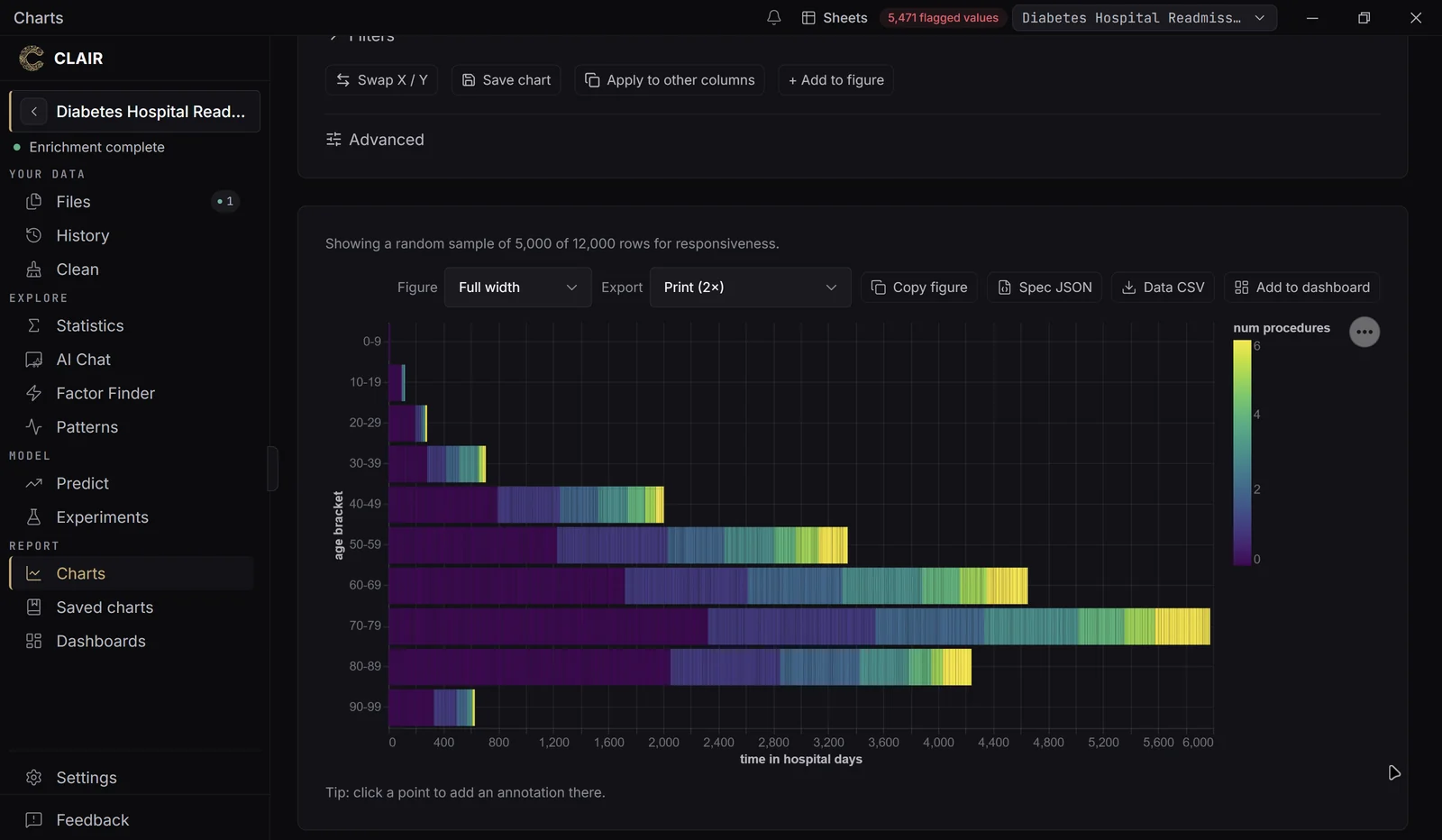
Time in hospital by age bracket, coloured by number of procedures, from a public diabetes readmissions dataset. 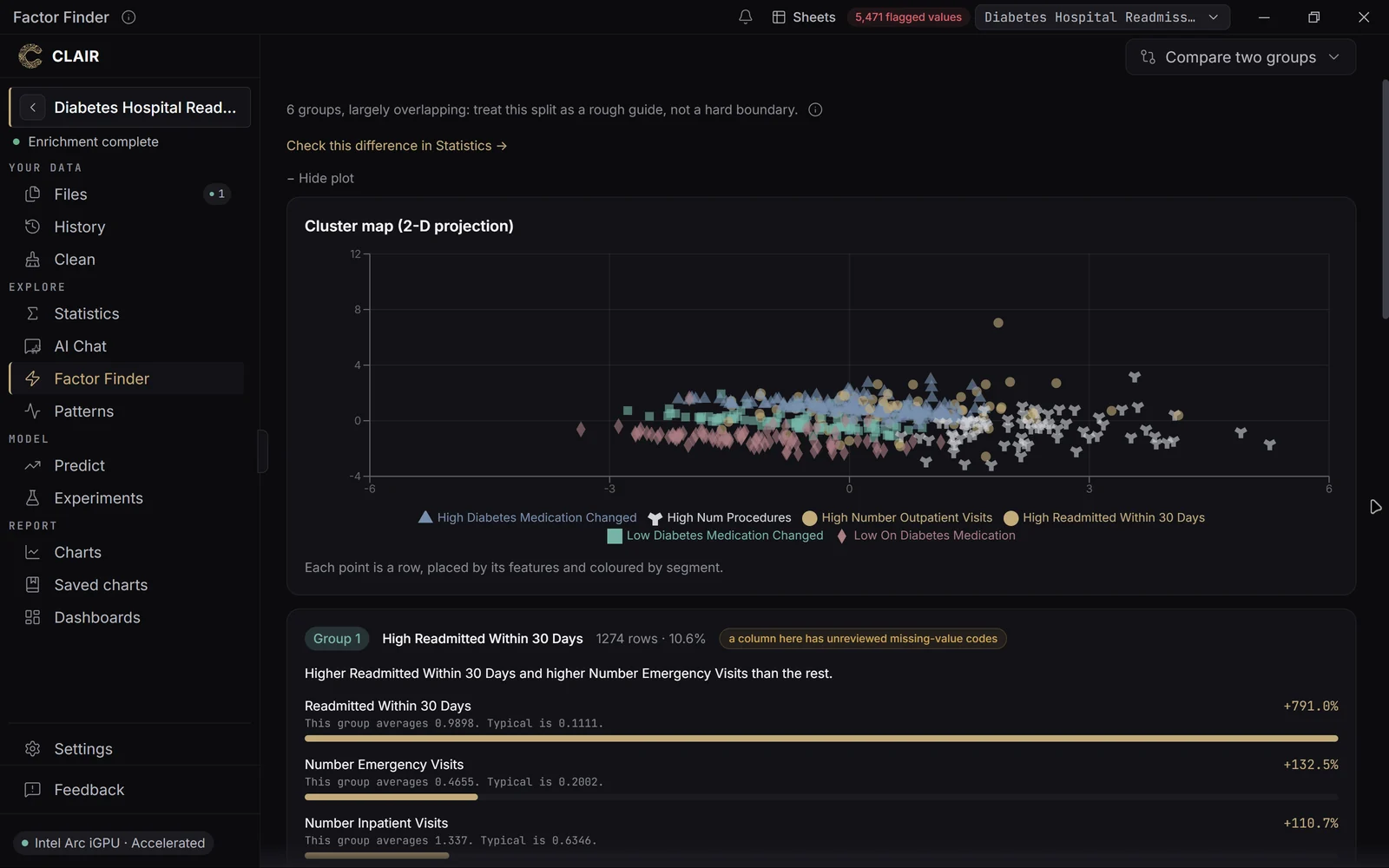
Factor Finder splitting the same patients into six groups and showing what sets each one apart.
1 / 2
| Measurement | Result |
|---|---|
| Link discovery, precision | 0.91 on 2,950 files, scored against 48 labeled file groups |
| Link discovery, recall | 0.76 on 2,950 files, scored against 48 labeled file groups |
| Benchmark corpus | 2,950 public files, 21 GB |
Abako Competition Suite
ElectronPythonFlask
Abako Technologies makes scientific calculators, and every year it runs a national math competition for schools to put them in students’ hands. Abako hired me to build two things: this suite, which runs the competition, and the emulator of the calculator itself.
The suite takes an Excel question bank and produces a sixty-question exam with a matching answer key and a data entry sheet. After the exam, it grades the entry sheet, ranks students by percentile, and prints a report card and certificate for every student, plus a summary for the school. Abako’s staff run the live competition with it. Preparing one exam by hand used to take them about two hours. With the suite it takes under a minute.
The entry sheet is the part I would explain first. Every question column gets its own dropdown built from that question’s real answer, so a marker can only record a right, wrong or blank result, and the grader never sees a typo. On the way to shipping I found and fixed eight correctness bugs, including a percentile that gave tied students different ranks and a blank row that silently dropped the rest of a class list. Every PDF is drawn from one shared design system, and the result states read correctly in greyscale and to colour-blind readers because colour is always paired with weight or hatching.
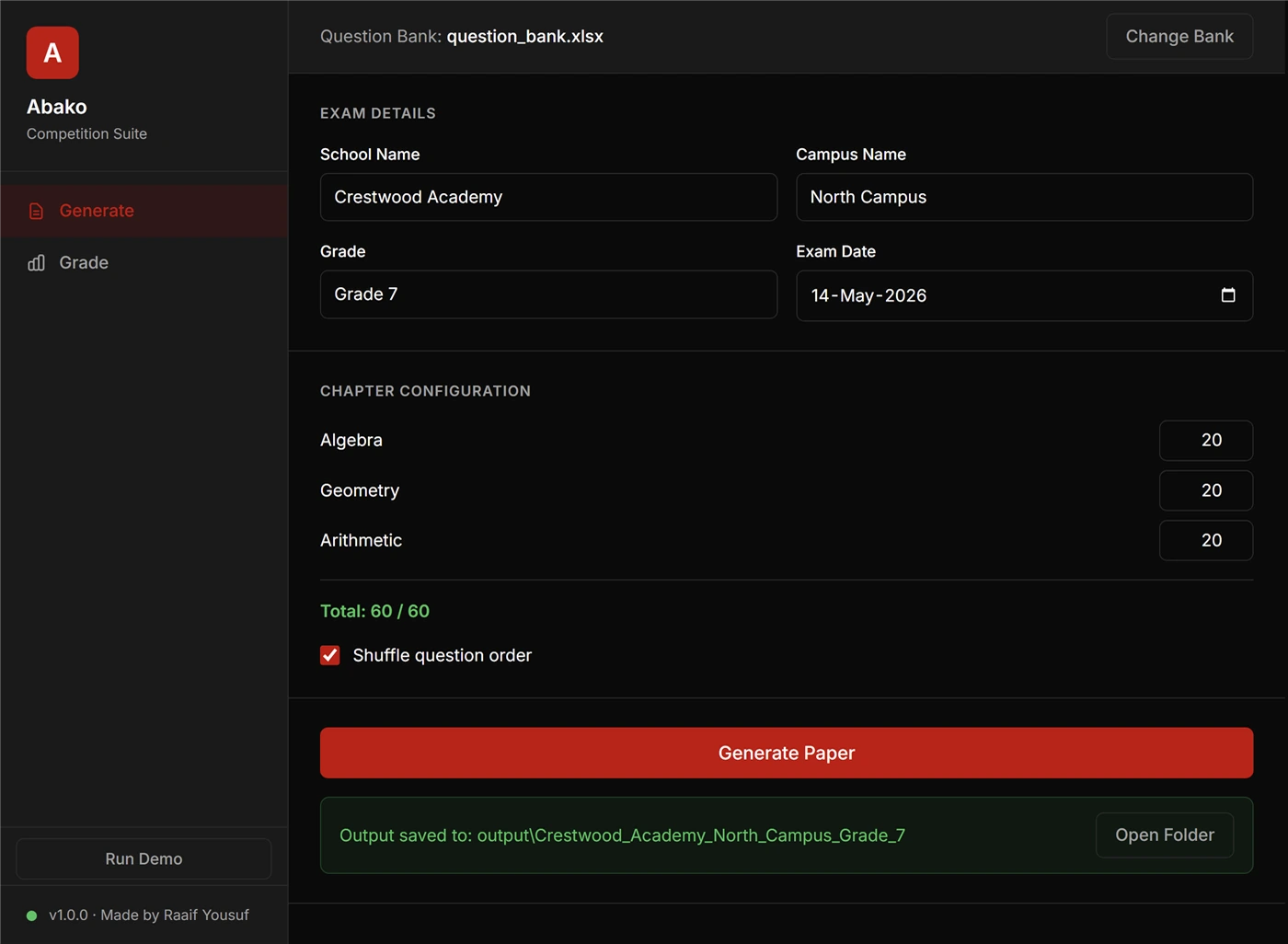
Building a sixty-question exam from an Excel question bank. 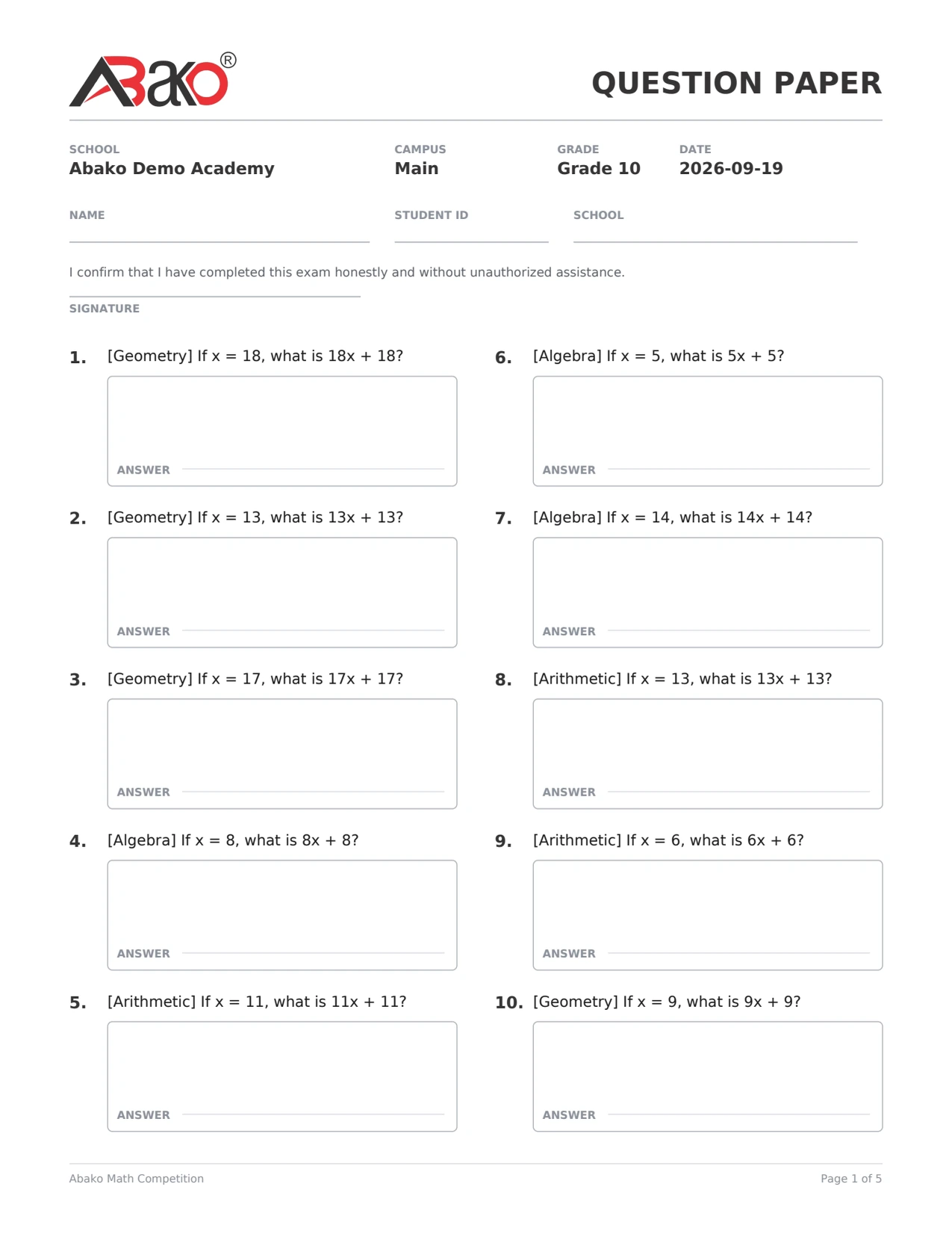
The question paper Abako prints, with a boxed answer space under every question. 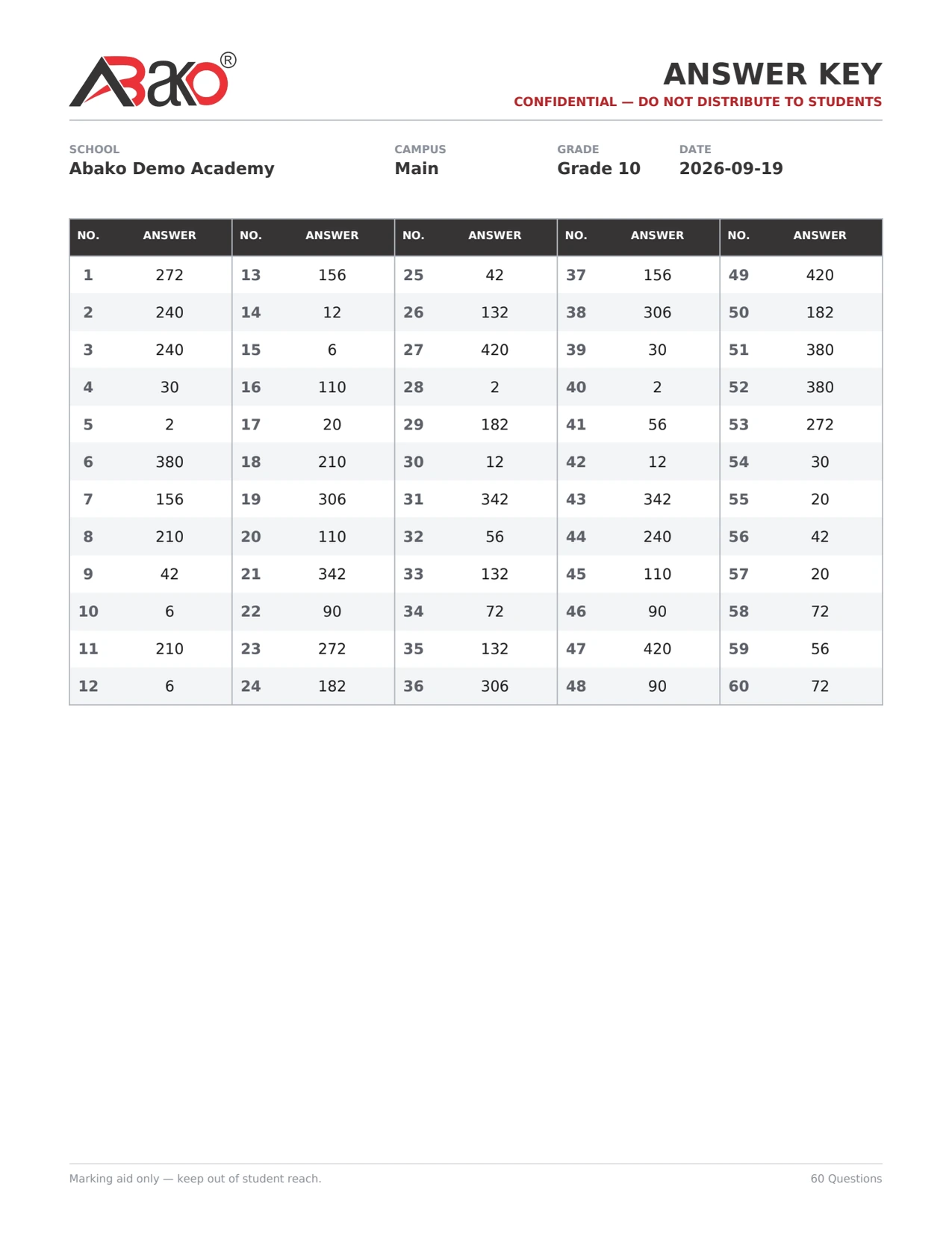
The matching answer key, all sixty answers on one page. 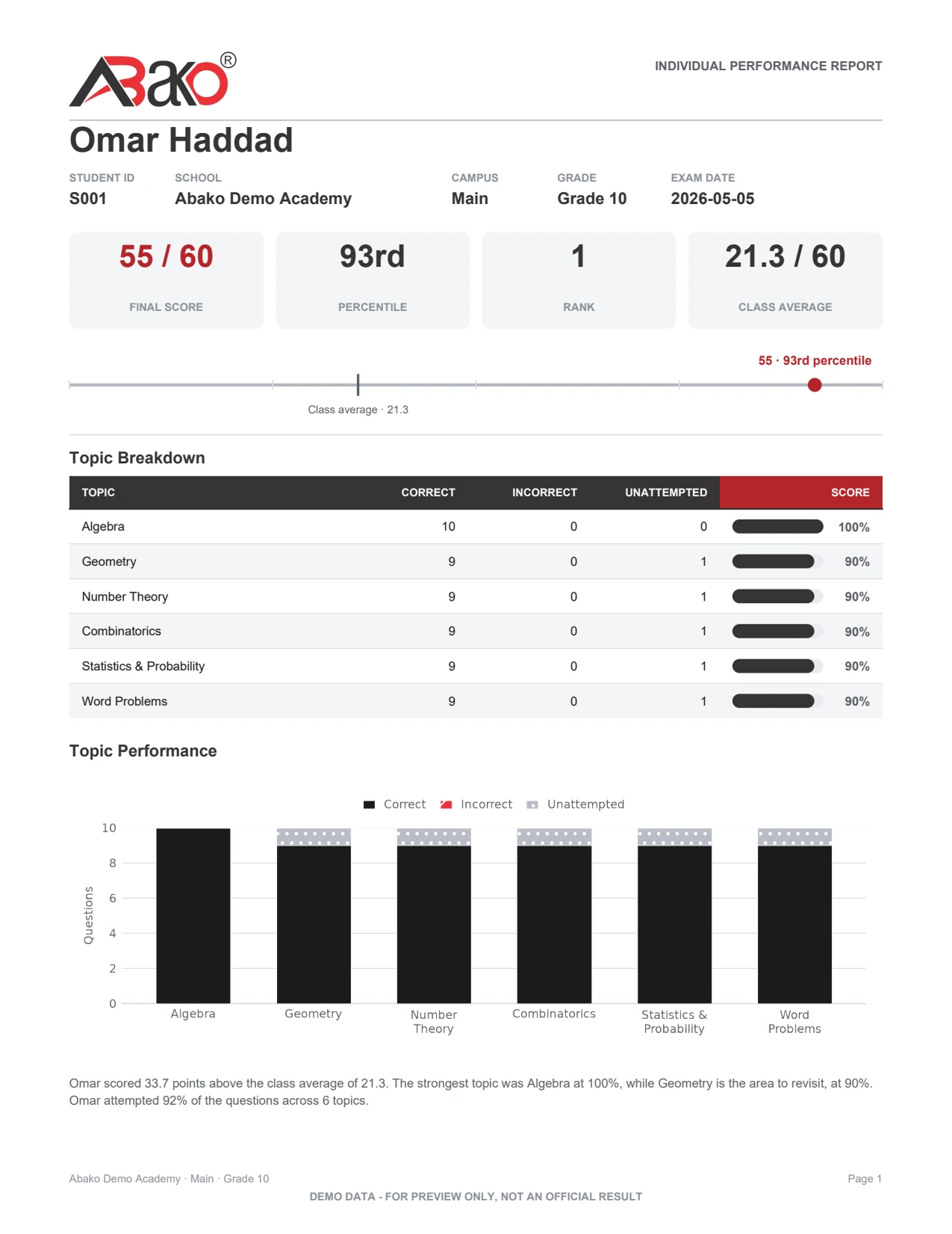
A student report card produced by a grading run.
1 / 4
| Measurement | Result |
|---|---|
| Grade and report 100 students | 12.5 s, 101 PDFs |
| Test suite | 51 tests |
| Time to prepare one exam | about 2 hours down to under a minute |
Abako Emulator
TypeScriptCanvasTauriVitest
A software copy of the Abako AB-991EX, the scientific calculator students use in exams. I built it from scratch so it runs in a browser, on a phone or as a desktop app, and behaves exactly like the physical calculator.
The core is a TypeScript engine with no browser dependencies. It turns each keypress into the 192 by 63 dot image the real display would show, and a canvas layer draws that onto a keypad I redrew myself. All twelve calculator modes work, from Calculate to Ratio.
Every screen the engine can produce is saved as a reference image. If a change moves even one pixel, a test fails until the reference is updated on purpose.
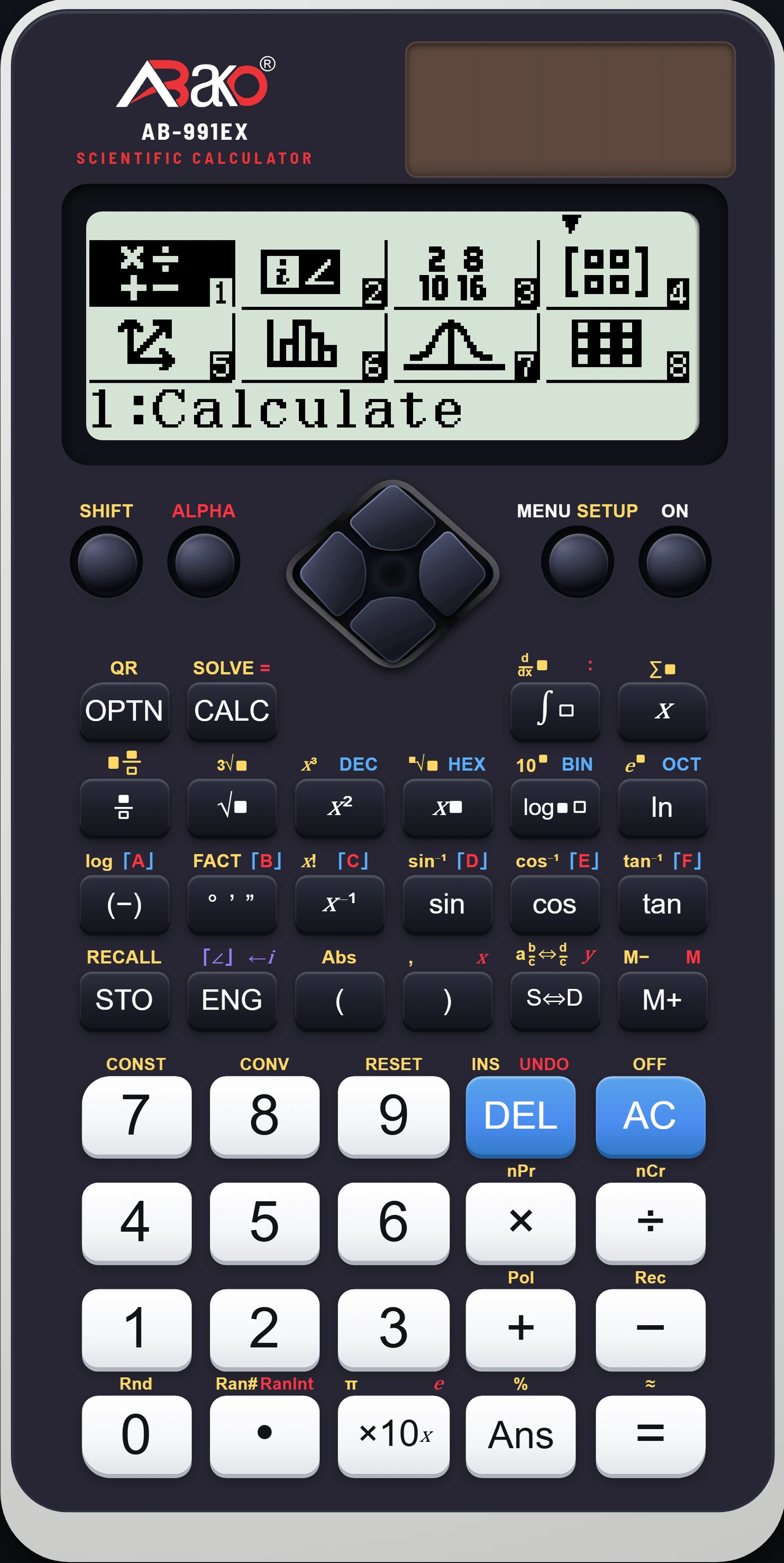
The emulator on its MENU screen, with Calculate selected as mode one. 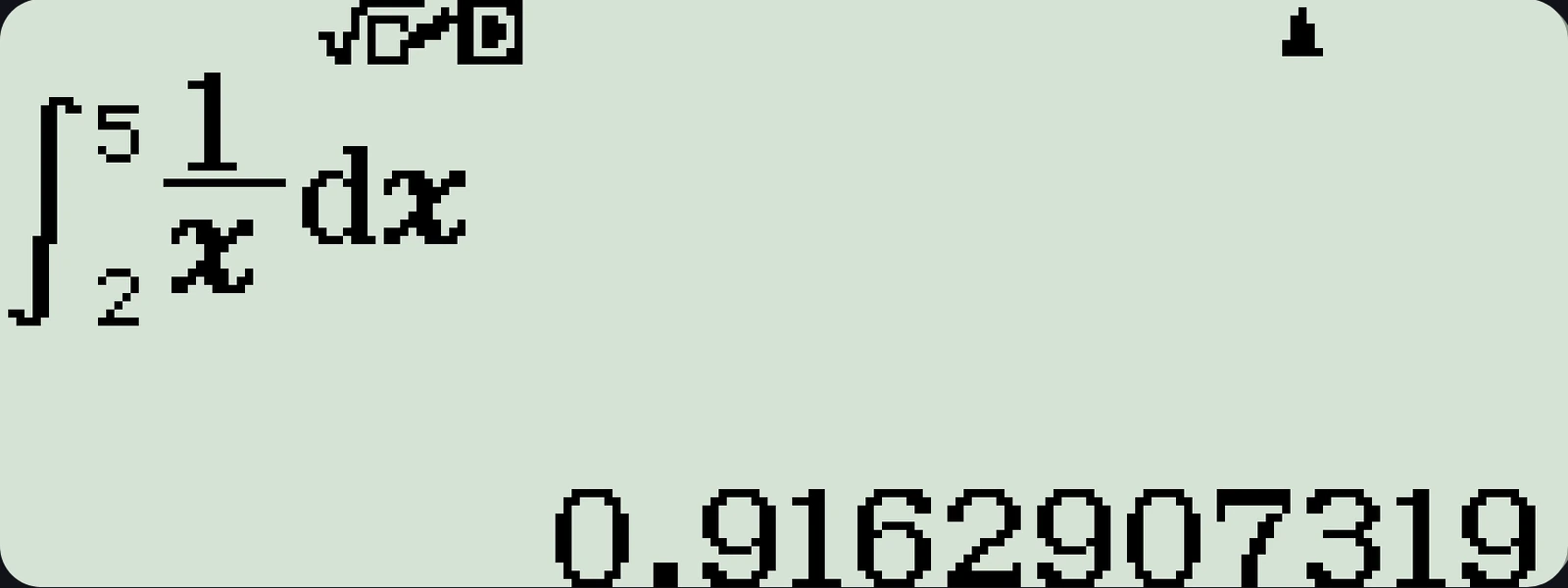
Calculate mode integrating 1 over x from 2 to 5 in natural display. 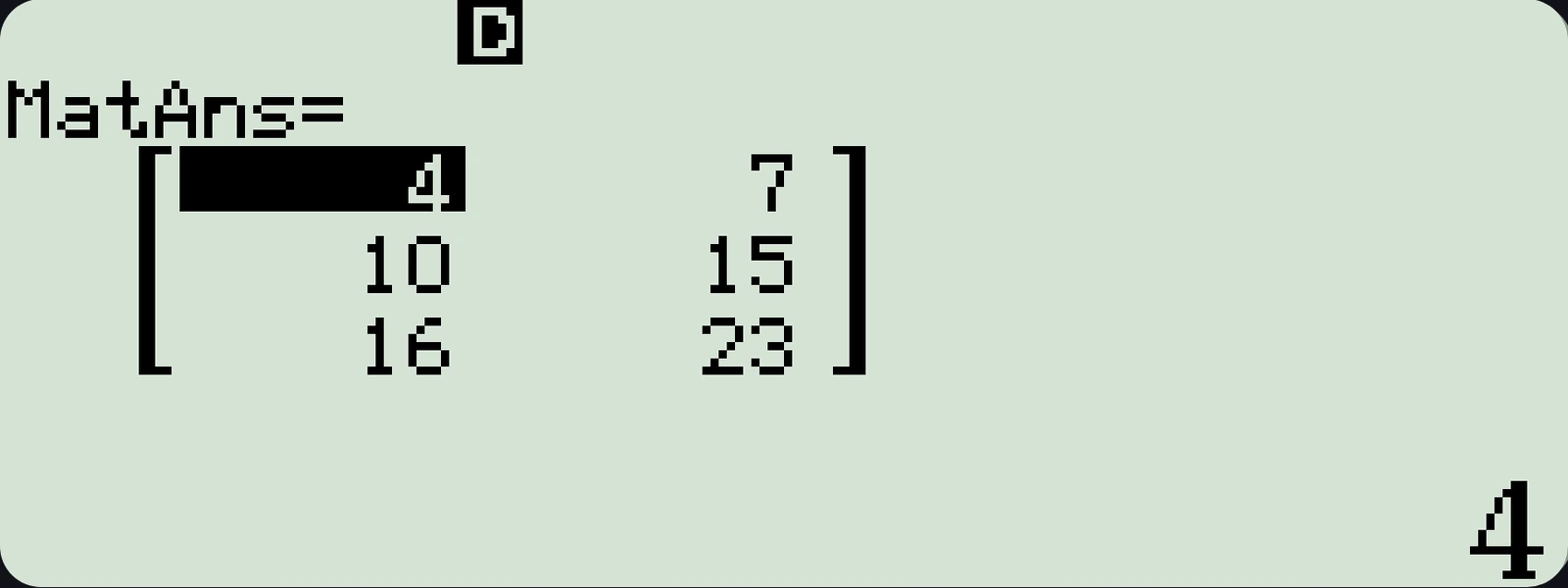
Matrix mode multiplying a three by two matrix by a two by two matrix and showing the three by two result.
1 / 3
| Measurement | Result |
|---|---|
| Golden screen tests | 244 files |
| Test suite | 3,560 tests |